
What are bamboo socks?
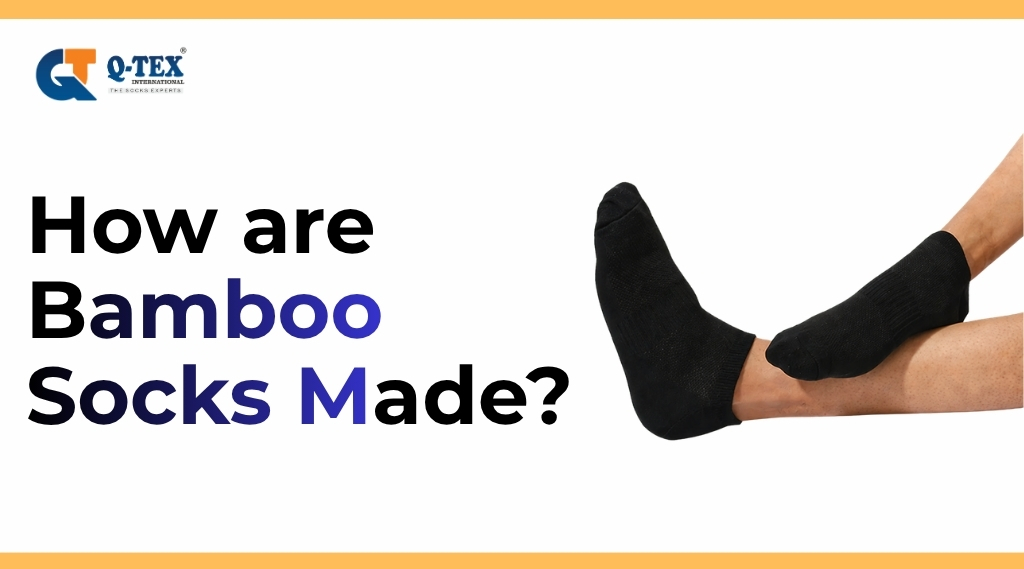
Bamboo socks are a pair of socks that look luxurious, feel extremely smooth, and are best for the skin and nature.
These bamboo socks are made from real bamboo. The process of creating these socks is done using specialised manufacturing machines.
Sock manufacturers like QTEX first collect bamboo pulp and convert it into fibres, which are then blended with cotton, spandex, or polyester, making the socks stronger, more durable, and softer.
HOW ARE BAMBOO SOCKS MADE- https://qtexsocks.com/how-are-bamboo-socks-made/ READ MORE
Unlike normal socks, bamboo socks are made in a way that keeps the feet cool in summer, warm in winter, and dry throughout the day, which makes them the best choice for long office hours, travellers, athletes, gym-goers, and people who have sweaty feet, sensitive skin, or other skin-related issues.
Why is proper care of bamboo socks important?
We all enjoy the benefits of bamboo socks but what about taking care of them, they also deserve proper care.
Bamboo socks have their own unique qualities, but these qualities also make them more delicate. Washing bamboo socks is not rocket science; it just requires some patience and proper techniques that you should follow.
By following the proper method and taking good care of your bamboo socks, you can prevent shrinkage, preserve the stretch, and maintain their softness for a longer time. Basically, you can keep your socks in the same quality for a much longer period.

How to wash bamboo socks
Step 1: Separate Your Socks Before Washing
The first step is to separate your bamboo socks from other dirty clothes.
I know it sounds really weird, but this one small step can make a big difference. The quality, softness, stretch, and durability of the socks will remain the same only if you take good care of them.
So, the first thing that you should do is separate them from dark-colored clothes; otherwise, the dark-colored clothes may stain them.
Secondly, make sure you do not wash them with big jackets, heavy towels, denim jeans, or thick trousers, because these materials can damage the socks when they come in friction with them.
Third and most importantly, separate them from clothes that have zippers, hooks, or even buttons. Anything that has a sharp edge can pull the fabric because of friction and can damage it.
Step 2: Turn the Socks Inside Out
Yes, you read it right. Turn your bamboo socks inside out.
We wear socks for hours while working out, walking, sitting, dancing, and doing many other activities.
Because of friction and continuous use, dead skin, sweat, germs, body oils, and dirt naturally get collected on the inner area, as that part stays in direct contact with the skin.
But when we flip the socks inside out and wash them, that specific area gets cleaned more properly.
It is not like washing them normally does not clean them at all, but sometimes there are chances that the inner area may not get cleaned completely, especially if detergent residue remains there.
If not cleaned properly, it may sometimes cause irritation or rashes.
Plus, washing the socks this way can also help reduce surface pilling.
When the outer surface of bamboo socks directly faces friction during washing, small fabric balls or fuzz can start appearing over time.
Step 3: Use Cold or Lukewarm Water
Many people have this doubt that can bamboo socks be washed in hot water? Well the answer is, No.
QTEX says that you should always wash your bamboo socks in cold or mild lukewarm water.
Some people still think that washing clothes in hot water cleans them better, but in fact, hot water can damage clothes over time.
Bamboo socks are very delicate and have their own unique properties and qualities.
Washing them in hot water can weaken the fabric structure, shrink the socks, make the fabric rough, and reduce their overall quality.
Cold or lukewarm water is much gentler on bamboo fibres and helps maintain their original texture, softness, and stretch.
It also helps preserve the quality and durability of the socks even after multiple washes.
Step 4: Choose a Mild Detergent for bamboo socks
We know that bamboo socks are made from natural ingredients, which makes them even more delicate compared to other socks.
And since they are so delicate, using harsh chemicals on them will not only damage the fibres but also reduce their overall quality.
There are plenty of mild detergent options available in the market for bamboo socks.
QTEX suggests that you use one of them, which can help improve the lifespan of your bamboo socks.
A mild detergent that does not contain bleach, strong chemicals, or harsh whitening agents will clean your socks properly without affecting their quality.
Step 5: Select a Gentle Wash Cycle
When washing bamboo socks in a washing machine, make sure you use the gentle wash cycle.
Bamboo socks are made from bamboo fibres, which make them soft and delicate.
When this type of fabric is washed using a hard wash cycle or strong stain-removal cycle, it can reduce the softness of the socks, loosen the fabric, and affect their original shape.
Since the main purpose of bamboo socks is to provide comfort, washing them aggressively can slowly damage the qualities that make them comfortable in the first place.
A gentle wash cycle helps protect the delicate fibres and keeps the socks soft, smooth, and long-lasting.
For extra protection, you can place your bamboo socks inside a laundry bag before putting them into the washing machine.
This helps prevent direct contact with zippers, buttons, hooks, or rough fabrics that may damage the socks during the wash cycle.
It also helps reduce friction between clothes inside the machine.
Step 6: Air Dry the bamboo Socks
Do not use dryers or any other methods that include excessive heat, as when bamboo socks are exposed to high temperatures, they can lose their quality over time. It can shrink the socks and also reduce their lifespan.
Instead of this, just air dry them, as it is the most effective option.
You can hang your bamboo socks somewhere or just lay them flat in a well-ventilated area so they can dry naturally.
By doing this, the softness, elasticity, and overall quality of the socks will remain the same, plus it will increase the lifespan of your socks.